

Allergy Management in Sarasota, FL
Allergies can cause frequent sneezing, nasal congestion, itchy eyes, skin irritation, and other symptoms that interfere with everyday activities. At Reliable MD, Dr. Carlos Levy, MD, and our dedicated team offer personalized allergy management to help patients identify potential triggers and manage recurring symptoms. We focus on individualized treatment plans, preventive strategies, and ongoing support to help improve comfort and overall quality of life. Whether you experience seasonal allergies or year-round sensitivities, we provide guidance on reducing allergen exposure and managing flare-ups. For more information, please contact us or schedule an appointment online. We are conveniently located at 2801 Fruitville Rd Unit 140, Sarasota, FL 34237.
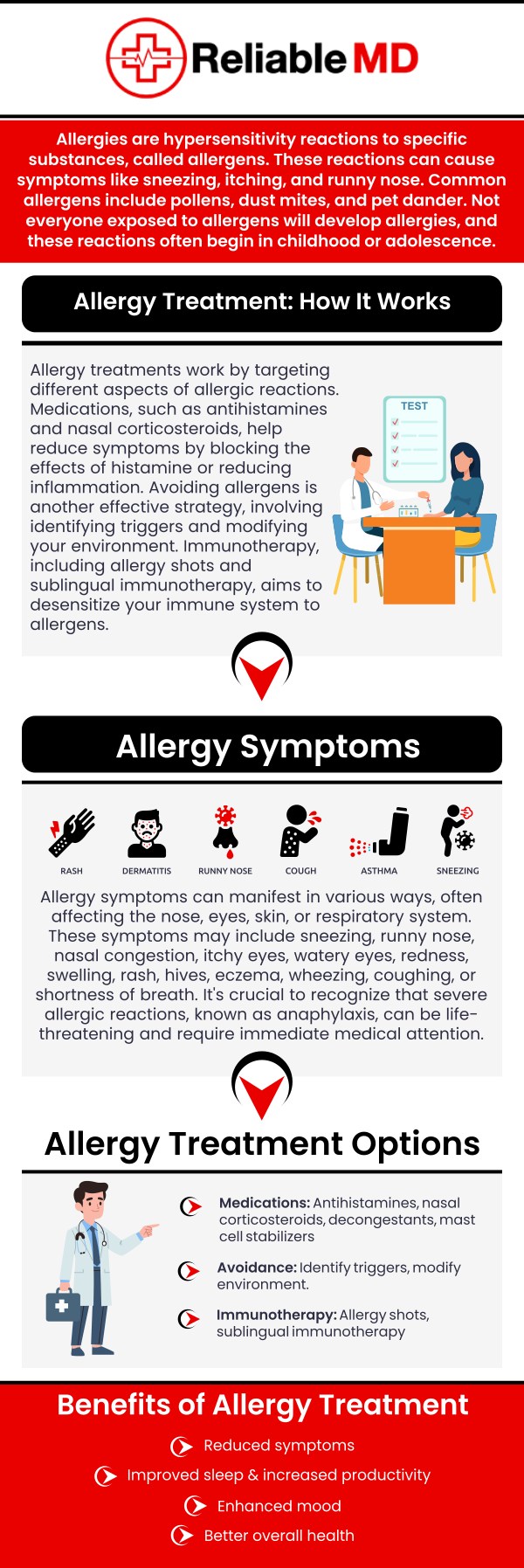
Table of Contents:
What are allergies?
What are the symptoms of allergies?
What causes allergies?
How long can allergies last?
When should you visit your healthcare provider for allergies?
How does allergy management help control seasonal allergies?
Can allergy management help reduce frequent sneezing and nasal congestion?
What is the difference between seasonal and year-round allergy management?
What lifestyle changes can support effective allergy management?
Allergy Management Tailored to Your Needs by Dr. Carlos Levy, MD, and Our Team at Reliable MD in Sarasota, FL
Allergies occur when the immune system overreacts to substances that are usually harmless to most people. Common allergy triggers, called allergens, include pollen, dust mites, animal dander, mold spores, specific foods, and insect stings. When the body encounters an allergen, the immune system may release chemicals such as histamine, triggering an allergic reaction. Allergies can develop at any age and may be seasonal or occur throughout the year, depending on the specific triggers.
Allergic reactions can affect different parts of the body, including the respiratory system, skin, eyes, and digestive system. Common symptoms include sneezing, nasal congestion, a runny nose, itchy or watery eyes, skin rashes, and itching. Some individuals may experience coughing, wheezing, or digestive discomfort. In severe cases, an allergic reaction can cause anaphylaxis, a potentially life-threatening emergency that requires immediate medical attention. The severity and frequency of symptoms vary depending on individual sensitivities and allergen exposure.
At Reliable MD, Dr. Carlos Levy, and our team provide personalized allergy management to help patients identify potential triggers and manage recurring symptoms. Through a careful evaluation of medical history, symptoms, and environmental factors, our team develops individualized care plans based on each patient’s needs. Our goal is to help patients achieve better symptom control, reduce allergic flare-ups, and maintain their overall quality of life.
Allergies can cause a variety of symptoms depending on the type of allergen, the body’s immune response, and the severity of the reaction. Some individuals experience mild discomfort, while others may develop symptoms that interfere with their daily activities. Recognizing these symptoms early can help individuals seek appropriate care and manage allergic reactions effectively.
Common symptoms of allergies include:
• Sneezing: Frequent or repeated sneezing, particularly after exposure to pollen, dust, or pet dander.
• Runny or stuffy nose: Nasal congestion or excessive mucus production caused by exposure to allergens.
• Itchy or watery eyes: Eye irritation, redness, itching, or excessive tearing associated with allergic reactions.
• Skin rashes and hives: Allergic reactions may cause inflamed, irritated skin with itchy welts or discolored areas following exposure to a triggering substance.
• Swelling: Puffiness or swelling around the eyes, face, or other affected areas.
• Coughing and wheezing: Respiratory symptoms that may occur when airborne allergens trigger airway irritation or asthma symptoms.
• Shortness of breath: Difficulty breathing or chest tightness, particularly in individuals with allergic asthma.
At Reliable MD, Dr. Levy, and our team help patients identify allergy symptoms, recognize potential triggers, and develop personalized management plans. Our approach focuses on reducing recurring allergic reactions, improving symptom control, and supporting long-term health and comfort.
Allergies develop when the immune system mistakenly identifies certain harmless substances, known as allergens, as potential threats. In response, the body may produce antibodies called immunoglobulin E (IgE), which trigger the release of chemicals such as histamine. This immune response can cause symptoms such as sneezing, itching, nasal congestion, skin irritation, and swelling. The development of allergies is influenced by a combination of genetic, environmental, and immune system factors.
Common causes and contributing factors of allergies include:
• Pollen exposure: Pollen released by trees, grasses, and weeds can trigger seasonal allergies, particularly during certain times of the year.
• Dust mites: Microscopic organisms commonly found in bedding, carpets, and upholstered furniture can cause year-round allergic reactions.
• Pet dander: Proteins found in animal skin flakes, saliva, and urine may trigger allergic symptoms in sensitive individuals.
• Food allergens: Certain foods, including peanuts, tree nuts, milk, eggs, wheat, soy, fish, and shellfish, can cause allergic reactions.
• Insect stings: Venom from bees, wasps, hornets, and other stinging insects may cause localized or severe allergic reactions.
• Medication allergies: Certain medications, including some antibiotics, can trigger an immune response in susceptible individuals.
• Mold spores: Exposure to airborne mold spores in damp indoor or outdoor environments can contribute to respiratory allergy symptoms.
• Genetic predisposition: Individuals with a family history of allergies, asthma, or eczema may have a higher likelihood of developing allergic conditions.
• Environmental factors: Air pollution, tobacco smoke, and other environmental exposures may influence allergy development or worsen existing symptoms.
• Immune system development: Early-life environmental exposures and interactions with microorganisms may influence how the immune system develops and responds to allergens.
At Reliable MD, Dr. Carlos Levy and our dedicated team focus on identifying potential allergy triggers and understanding each patient’s symptoms and medical history. Through individualized evaluations and appropriate diagnostic testing or referrals when needed, our team recommends personalized allergy management strategies to help reduce exposure to triggers, control recurring symptoms, and improve overall quality of life.
The duration of allergies varies depending on the type of allergen, the severity of the immune response, and how frequently an individual encounters the triggering substance. Seasonal allergies, commonly caused by pollen from trees, grasses, and weeds, may last for several weeks or months during specific times of the year. Symptoms such as sneezing, nasal congestion, itchy eyes, and a runny nose can continue throughout the pollen season. In contrast, allergic reactions caused by brief exposure to certain allergens may improve within a few hours or days once exposure ends.
Year-round allergies, also known as perennial allergies, are often triggered by indoor allergens such as dust mites, pet dander, and mold. These allergies can cause persistent or recurring symptoms throughout the year, particularly when exposure continues. Food-related allergic reactions typically develop within minutes to a few hours after consuming a triggering food, although the duration and severity can vary. Some reactions may resolve within hours, while others require medical treatment.
At Reliable MD, we help patients understand the duration and possible triggers of their allergic symptoms through individualized medical evaluations. Our approach focuses on identifying patterns of allergen exposure, assessing symptom severity, and recommending appropriate management strategies. Our goal is to help patients manage persistent allergies, reduce recurring symptoms, and maintain better comfort throughout the year.
Seek medical care if allergy symptoms persist, worsen, or disrupt your daily routine. While mild reactions may improve with basic precautions and over-the-counter medications, frequent or severe symptoms require professional assessment to identify triggers and prevent complications.
You should consult a healthcare professional for allergies if you experience any of the following:
• Persistent allergy symptoms: Sneezing, nasal congestion, itching, or watery eyes that continue for several days or frequently return.
• Limited relief from medications: Allergy symptoms that do not improve despite using appropriate over-the-counter treatments.
• Recurring allergic reactions: Frequent episodes of skin rashes, hives, or respiratory discomfort after exposure to certain substances.
• Unidentified allergy triggers: Allergic reactions that occur without a clear cause, making it difficult to avoid potential allergens.
• Sleep disturbances: Nasal congestion, coughing, or itching that disrupts sleep and causes daytime fatigue.
• Difficulty performing daily activities: Allergy symptoms that interfere with work, school, exercise, or other routine responsibilities.
• Worsening asthma symptoms: Increased coughing, wheezing, or chest tightness associated with exposure to allergens.
• Suspected food or medication allergies: Unusual symptoms after consuming certain foods or taking medications that require further medical evaluation.
• Frequent sinus problems: Recurring nasal congestion, sinus pressure, or discomfort that may be associated with uncontrolled allergies.
Seek immediate emergency medical care if you experience difficulty breathing, swelling of the tongue or throat, fainting, or other signs of anaphylaxis. These symptoms can indicate a life-threatening allergic reaction requiring immediate treatment.
At Reliable MD, Dr. Levy, and our team provide individualized evaluations to help patients understand their allergy symptoms and identify potential triggers. Our team recommends appropriate allergy management strategies based on each patient’s medical history, symptom patterns, and specific health needs. Through personalized treatment planning and ongoing guidance, we aim to help patients control symptoms and improve their overall quality of life.
How does allergy management help control seasonal allergies?
Allergy management helps control seasonal allergies by identifying triggers such as pollen from trees, grasses, and weeds. Treatment may include medications, allergen-avoidance strategies, and preventive measures to reduce exposure during peak pollen seasons. Regular symptom monitoring and personalized care can help minimize sneezing, congestion, and eye irritation, improving comfort throughout allergy season.
Yes, allergy management can help reduce frequent sneezing and nasal congestion by addressing the allergic reactions responsible for these symptoms. Healthcare professionals may recommend antihistamines, nasal sprays, and environmental adjustments based on individual needs. Consistent management can help reduce nasal inflammation, improve breathing comfort, and prevent recurring symptoms.
Seasonal allergy management focuses on controlling symptoms triggered by allergens that appear during specific times of the year, such as pollen. Year-round allergy management addresses ongoing exposure to indoor allergens, including dust mites, pet dander, and mold. Both approaches involve identifying triggers, reducing allergen exposure, and developing personalized treatment strategies to maintain symptom control.
Lifestyle changes such as keeping indoor spaces clean, using appropriate air filtration, and regularly washing bedding can help reduce allergen exposure. Monitoring pollen levels, keeping windows closed during high-pollen periods, and showering after outdoor activities may also minimize seasonal allergy symptoms. Avoiding known triggers and following a recommended treatment plan can support long-term allergy management.
At Reliable MD, Dr. Carlos Levy, MD, a trusted and reliable family physician and primary care doctor, along with our team, provides personalized allergy management to help patients find relief from recurring allergic symptoms and improve their overall well-being. Dr. Levy takes a patient-centered approach by carefully reviewing each individual’s medical history, evaluating symptoms, and identifying potential allergy triggers. Whether patients experience seasonal allergies, persistent nasal congestion, frequent sneezing, skin irritation, or sensitivity to environmental allergens, he focuses on understanding their specific concerns. Through comprehensive assessments and individualized care, Dr. Levy helps patients better understand their allergies and the available options for managing their symptoms effectively.
Dr. Carlos Levy, MD, and our skilled team recognize that allergy symptoms can vary significantly from person to person, which is why we emphasize customized treatment strategies rather than a one-size-fits-all approach. Depending on each patient’s symptoms and health needs, recommendations may include allergen avoidance, appropriate medications, lifestyle modifications, and additional diagnostic evaluations or specialist referrals when necessary.
For more information, please contact us or schedule an appointment online. We are conveniently located at 2801 Fruitville Rd Unit 140, Sarasota, FL 34237. We serve patients in Sarasota County on Fruitville Rd, which is close to Whitfield Ave, Bee Ridge Rd, Lockwood Ridge Rd, and beyond! We also provide telehealth services, serving the entire state of Florida.

Check Out Our 5 Star Reviews


Additional Services You May Need

Additional Services You May Need
- Annual Physical Exam
- Adult Medicine
- Allergy Management
- Boat Captains Physical Exam
- Chronic Care Management
- DOT Physicals
- EKG Testing
- Geriatric Doctor
- Health Monitoring
- Illness
- Immigration Physicals (USCIS)
- Immunizations Vaccinations
- Injury Assessment
- Lab Testing
- New Doctor Consult
- Physical Examinations
- Primary Care
- Travel Vaccinations
- Telehealth
- Thyroid Disorder Management
- Wellness Check


 Send Text
 How May I Help You?